
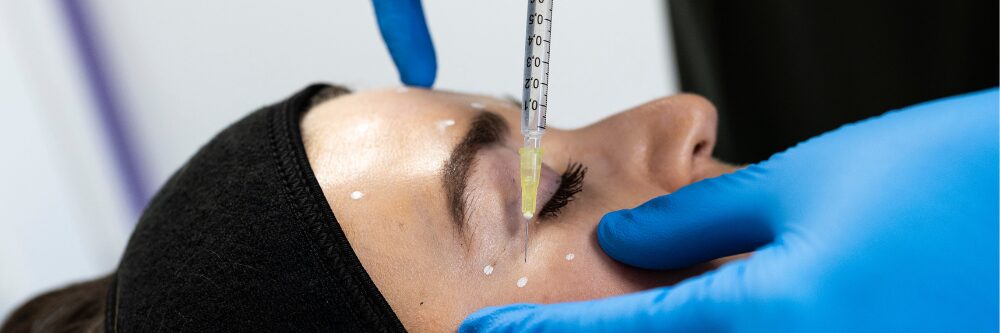
Recent reports from the BBC and the UK Health Security Agency have raised serious concerns following suspected cases of botulism linked to cosmetic procedures in Leeds.
Several people reportedly became unwell after treatments involving botulinum toxin. Patients experienced symptoms including drooping eyelids, blurred vision, slurred speech, difficulty swallowing, and severe fatigue.
While investigations are ongoing, the reports have once again highlighted an important issue within the aesthetics industry.
Patient safety must always come first.
At Cosmetic Courses and The Cosmetic Centre, we believe this is an important moment for both patients and medical professionals to reflect on the importance of proper training, safe practice, and medical standards within aesthetics.
What Is Botulism?
Botulism is a rare but serious illness caused by toxins produced by bacteria called Clostridium botulinum.
Symptoms can include:
- Drooping eyelids
- Double vision
- Difficulty swallowing
- Slurred speechMuscle weakness
- Breathing difficulties
- Extreme tiredness
The UKHSA has advised anyone experiencing symptoms after a cosmetic treatment to contact NHS 111 or attend A&E immediately.
Although cases remain rare, they can become serious very quickly if left untreated.
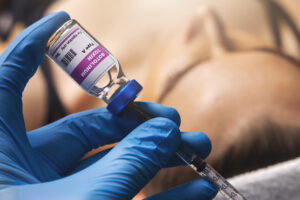
Why These Reports Matter
Unfortunately, this is not the first time concerns around counterfeit or unlicensed products have appeared in the aesthetics industry.
Last year, multiple cases across England were linked to fake Botox type products and unregulated treatment providers.
These incidents damage trust in the industry and place patients at unnecessary risk.
Aesthetic medicine is still medicine.
Injectables are medical procedures. They require clinical knowledge, patient assessment, safe prescribing, anatomy training, and complication management.
They should never be treated as quick beauty treatments with little risk.
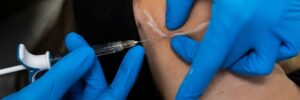
The Importance of Choosing a Qualified Medical Professional
Patients should always ask important questions before undergoing treatment.
Who is carrying out the procedure?
What qualifications do they hold?
What product is being used?
Is the clinic safe and medically regulated?
What happens if there is a complication?
Choosing a medically trained practitioner matters.
A qualified medical professional understands facial anatomy, sterile technique, patient safety, contraindications, prescribing, and emergency management.
This knowledge can make a critical difference if complications occur.
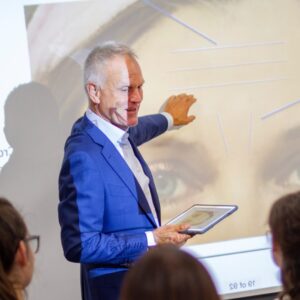
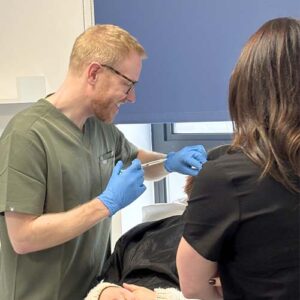
Mr Adrian Richards
Our Position at Cosmetic Courses
At Cosmetic Courses, patient safety has always been at the centre of everything we do.
We have been leading the way in aesthetics training since 2002, making us the longest established aesthetic training provider in the UK.
We were also the first Cosmetic Surgeon led aesthetic training academy in the country.
Our Medical Director, Mr Adrian Richards, is one of the UK’s most experienced Consultant Plastic Surgeons in both surgical and non-surgical aesthetics.
Alongside a handpicked team of experienced medical trainers, he has helped train thousands of medical professionals in safe aesthetic practice.
From the beginning, our focus has always been clear.
Medical aesthetics should be performed by qualified healthcare professionals with proper education, supervised practical training, and a strong understanding of patient safety.
This includes:
- Anatomy and physiology
- Safe injecting techniques
- Patient assessment
- Consent and ethics
- Complication management
- Infection control
- Safe prescribing
- Emergency protocols
These are not optional extras.
They are essential parts of practising safely.
Raising Standards Across the Industry
The recent Leeds cases are a reminder that stronger standards, better education, and greater public awareness are still needed across the industry.
As medical professionals, we must continue to raise the bar.
Patients deserve safe environments.
Patients deserve qualified practitioners.
Patients deserve honest information and proper care.
The future of aesthetics depends on trust, education, and patient safety.
At Cosmetic Courses, we remain committed to supporting safe, ethical, and medically led aesthetics training across the UK.
Now more than ever, that matters.
You can read the full BBC article here:
BBC News – Botulism fears over beauty jab cases in Leeds