
As a person gets older, wrinkles, age marks, and other skin blemishes become prevalent. Older scars obtained in a person’s younger years become more noticeable, such as acne scars. Volume loss in the skin, photo damage, and hyperactive muscles are other common sources of wrinkles and age lines. Women aren’t the only people looking for a way to get their younger appearance back Men are also interested in looking and feeling younger. More and more men are looking into dermal wrinkle fillers and Botox injections to get their skin looking young and fresh as it once was.

As a person ages, the natural moisture in the skin and the rate that cells renew themselves slows down. This results in skin that is dry and scaly. Wrinkles can occur when emotions reach their extremes. Emotions such as anger can cause wrinkles and furrows over time. This is due to a certain expression being held for a long time, for instance an angry scowl or frown. The muscles between the eyebrows contract during certain emotional states, and can cause furrows and creases that get deeper over time.

Botox, otherwise known as botulinum toxin A, was approved by the FDA in 2002 as a treatment for wrinkles and frown lines. This cosmetic treatment is comprised of purified protein that diminishes a certain muscle’s ability to contract. The Botox is injected directly into the muscle and prevents over-activity of that particular muscle. When first injected, the Botox relaxes the muscle temporarily, cutting off the formation of wrinkles. The skin over the muscle relaxes and softens, lessening the look of wrinkles.

Another option for younger and smoother looking skin are dermal wrinkle fillers. Dermal wrinkle fillers are injected into the deep lines of the face, such as smile lines, “crows feet” beside the eyes, and other areas where wrinkles form. Dermal wrinkle fillers can restore volume to hollow skin or an area of the face that has lost natural fat. Collagen, for example, can be injected into the lips to give them a plumper and fuller look.

Cosmetic fillers can be injected to worry lines in the forehead, and hollow areas in the cheeks or under the eyes to bring back some of the volume that was lost. Skin cosmetic fillers restore the facial skin so they look fresh and young again. Many FDA approved dermal fillers are available on the market these days to treat a man’s wrinkles and age lines.
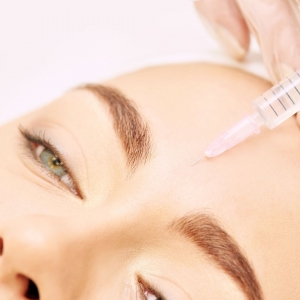
The popularity of facial fillers has been growing exponentially in recent times. To combat wrinkles and loss of facial fat, patients turn to facial filler injections that have little to no recovery time. Sculptra is touted by aesthetic patients and physicians as being the “longest lasting facial filler”.

Sculptra is a dermal facial filler that can be injected directly into the skin of the face to rejuvenate the skin, that leaves it looking younger and healthier. Poly-L-lactic acid (PLLA) was approved by the FDA in 2004 and is the main component in Sculptra. This component is a synthetic biodegradable polymer that has been proven to be safe and effective in surgeries for 20 years.

Sculptra was approved by the FDA in 2009, and is considered to be a biostimulator, unlike other types of facial fillers. Sculptra not only stimulates the skin tissue, but rebuilds it when it starts to degrade. Other facial fillers plump up the tissue temporarily using an absorbent filler material. The PLLA activates an immune response when Sculptra is injected in the facial skin that causes the white blood cells to gradually absorb the PLLA particles. This particular process leads to collagen and fibrosis buildup at the site where Sculptra has been injected. This formation of new collagen is a slow acting process, therefore it may take up to four to six weeks to notice visible results.

The slow process of forming new collagen is what causes Sculptra to have longer lasting effects than other fillers. Other types of fillers cause temporary but immediate results, that plump up the skin to eliminate wrinkles. Eventually the effects dissipate and the injections have to be redone. Sculptra, on the other hand, is considered to be a “tissue volumizer” that fortifies areas of the face where the skin has lost fat.

Patients that use Sculptra see varying results with the product, however results can be expected to last from one to two years. There have even been instances where the results have lasted for up to three years. The long lasting effects of Sculptra is due to the safe absorbency of the poly-L-lactic acid formula, the ability to stimulate skin tissues that have degraded, and the gradual buildup of fresh collagen around weak tissues.

After getting a Sculptra injection, the patient should take extra care of their skin, by avoiding the sun as much as possible, and keeping the skin clean and well moisturized.

Perlane is a dermal filler that was created to minimise the appearance of facial folds and wrinkles. In many cases it is capable of complete wrinkle removal since it restores a great deal of lostperlane cosmetic courses facial volume. As the skin ages the natural collagen present begins to diminish. Over time this will sometimes result in sagging skin, facial folds, lines, and wrinkles.
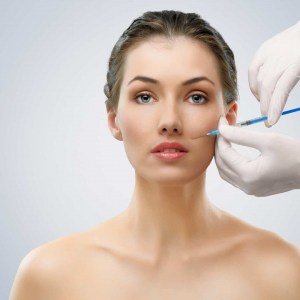
Perlane is made of a stabilized hyaluronic acid gel that has particles thicker than those of other hyaluronic acid based fillers such as Restylane. The denser composition allows it to be more easily moulded to a patient’s face and thus produces the most natural look possible of all the hyaluronic acid based dermal fillers. Because it is not derived from animal sources like many collagen based fillers are, it may be used in patients without allergy testing. Perlane is made entirely of hyaluronic acid while other dermal fillers such as Restylane have a hyaluronic acid base but have animal collagen added to them.

Perlane may be used in a variety of facial areas. The nasolabial folds running from the corner of the nose to the outer edges of the mouth are one of the most common areas that patients have  injected. It may also be used to add some volume to the area underneath the eyes if a patient has sunken eyes. Virtually any area of the face that has wrinkling or skin folds due to loss of volume can be treated effectively with injections. A popular use for this product today is lip enhancement. Perlane can be safely injected into the lips to produce additional volume or create the appearance of an overall larger mouth.

Perlane typically lasts for about six to nine months, though some patients continue to see benefits from treatment for as long as one year. While the price is typically higher than that of some other dermal fillers, this product is longer lasting and presents a more natural appearance than other dermal fillers do.

Treatment with Perlane normally takes no longer than 30 to 45 minutes. The injection process is usually not painful for patients though the administering physician may choose to inject a local anesthetic or to apply a topical anesthetic to minimise any discomfort.

Hyaluronic acid is the human body’s natural way of providing volume and a fresh faced appearance – in fact there are large quantities of hyaluronic acid present in the skin. However, as the body ages the amount of hyaluronic acid steadily decreases, often leaving behind sagging and wrinkled skin due to the loss of volume. Today hyaluronic acid is being produced in the laboratory for use in the fight against aging. Hyaluronic acid based dermal fillers such as Juvederm and Restylane are able to plump up the skin in specific areas where volume has been lost. These fillers also have the helpful effect of binding to water molecules in the body, allowing for a long term facial correction.

Since there are now a number of different dermal fillers on the market, selecting the right one can be difficult. Two of the most popularly used hyaluronic acid based dermal fillers are Juvederm and Restylane. Both have specific advantages, and for a patient to make the proper choice it is necessary to carefully compare the two and decide which one is best for their needs.

Overall, Juvederm and Restylane are very similar products. Both are made from hyaluronic acid and are nearly identical in composition. While Juvederm is slightly thicker than Restylane, it is considered by many physicians to be easier to mold and shape into the facial tissue. Both Juvederm and Restylane are injected into the nasolabial folds (the area extending from the edge of the nose to the edge of the lips), the tear troughs underneath the eyes, and the frown lines in the brow area. Both products are also used in the lips as a plumping agent, or for overall lip reshaping.

The primary difference in the products appears to be the texture. Many doctors prefer to use Juvederm in areas such as nasolabial folds or other large areas since it molds into the skin more easily. However, other doctors feel that the two products work equally well even though the texture of Restylane is slightly thinner. In terms of longevity, Juvederm appears to have a slight edge over Restylane. While this effect may vary with each patient, Juvederm is generally considered to be the longer lasting of the two products due to the fact that Juvederm contains about 10 percent more cross-linked hyaluronic acid by volume.

Overall the two products are very similar and in most cases will produce virtually identical results when administered properly by a licensed practitioner. Each patient and doctor may find that they have personal preferences after trying both products, however.

Cosmetic surgery is a way to achieve a youthful appearance. It is particularly helpful in erasing marks of aging associated with skin changes,Dermal Fillers ranging from wrinkles to the loss of subcutaneous fat and dermal collagen with Dermal Fillers.
While the most well-known method of tightening the face around the skin is through a surgical face lift, a less well-known, but equally effective, method is dermal filling.

Although dermal filling may sound like a revolutionary new trend in aesthetic medicine it has been around for over a century. In the 1890s, dermal filling consisted of removing fatty tissue from one part of the body where it was not needed, like from sagging fat in the arms, and injecting it to another part where it was needed, like the wrinkling skin of a face. Today, a variety of many more filler choices are available. These fillers are said to work better and to last longer than their earlier counterparts.

Bovine collagen was popular in the United States in the 1980s. Results were claimed to last as long as eighteen months, but the reality was closer to five months, with three months being the average. Nevertheless bovine collagen became the standard by which other fillers were assessed.

Human collagen, collagen derived from human beings that was cultivated in the laboratory, replaced bovine collagen in popularity. Then researchers began to look for something even more compatible with the patient’s body. They arrived at the autologen method. In this method, human collagen is still used, but this time it comes directly from the patient‘s own tissues. This collagen, derived from the patient’s own body, is made into a sterile suspension of fibres. Three square inches of skin can be manufactured to supply 1 ml of 3.5% collagen. This collagen is used to treat wrinkles, lines, scars, and sagging lips.

An alternative to injecting fillers has been autologous collagen. By stimulating an inflammation in the patient, the resulting new collagen deposits are harvested and fat is then mixed with sterile distilled water.

Other viscous fluids have also been tested and used in cosmetic surgery. These include the use of fillers made out of recycled skin, hyaluronic acid, and hybrid technologies.

The recycled skin came from rehabilitation centres for burn victims and was processed for use in aesthetic medicine. Hyaluronic acid, a protein in the skin of mammals, including humans, has been used to form a gel. Finally, artificial Dermal Fillers suspended in bovine collagen have been used to treat wrinkles and scars.

Many individuals suffer the lasting effects of severe acne outbreaks. Dermatological scarring can lead to emotional and psychological trauma. Medical science is continually developing treatments to alleviate the physical aspects of the condition. These interventions provide dramatic and lasting results.

Nodular or cystic acne leaves severe scarring but dermatologists can treat the problem. Laser treatments were once the standardized option for treating this type of scarring, but are not effective in diminishing severe scars. Presently, the chosen remedy for treating scarring is with cosmetic fillers.

Silicon Fillers

Following 30 years of research in treating acne scars with various fillers, Dr. Jay Barnett and associate, Dr. Channing Barnett found that silicone fillers are the only means to soften acne scars. The doctors found that five patients with severe scarring had amazing results with silicone injections following one treatment. These patients were studied for 30 years.

Hyaluronic Acid Fillers

In addition to silicone fillers, severe scarring treated with hyaluronic acid fillers showed promising results. But, while the results were impressive, they only lasted six months. Fillers like Perlane have been studied and approved by the Food and Drug Administration for deep skin folds, but not scarring on various areas of the face.

Calcium Fillers

The Journal of Cosmetic and Laser Therapy contains a report where scientists studied a filler made with calcium hydroxlapatite to correct severe acne scars. Scientists used the filler on different types of scarring from deep round scars to pitting scars. They found that in ten subjects, only rounded scars responded well to treatment. Some of the test subjects experienced results that lasted up to a year.

Selecting the Correct Filler

Cosmetic fillers are not an inexpensive treatment. Treatments that last the longest are the most expensive. Filler injections run from a few hundred dollars to a few thousand per treatment. Additionally, a trained and qualified physician must administer the filler properly to achieve maximum results.

If considering cosmetic fillers, locate a physician who has gained expertise in minimizing severe acne scars using this type of treatment. The filler injections cannot be used on acne that is not controlled. The treatment cannot be provided in skin that has inflammation or discomfort caused by continual acne outbreaks.

Quick fix dermal filler products include such widely recognized products as Botox, Juvederm, and Restylane. These substances, when properly injected by an experienced clinician, can eliminate obvious signs of aging such as wrinkles, crows’ feet beside the eyes, and forehead creasing.

How Do They Work?

While Botox works beneath the dermal layer to relax those muscles that when contracting, form expressive lines on the face, Juvederm and Restylane work within the skin layer to immediately fill and voluminize the flesh on the face and then provide nutritive revitalization for the longer term. They are especially effective in smoothing areas around the mouth and nose.

Application

Because all three of these dermal fillers require application via injection into facial tissues, they call for the services of a licensed clinician. Only the experienced expert can judge the correct quantity of filler and the proper areas for application. A professional office venue is the safest, most sterile and quality-controlled environment for treatments of this kind.

Industry Concerns

In recent years, especially since sales of Botox, Juvederm and Restylane no longer require a physician’s prescription, more sources are making these dermal fillers available to the general public. People have the option to buy the products directly or online. Incredibly, people are actually giving themselves a do-it-yourself quick facial fix by self-injecting dermal fill substances.

This practice is raising considerable concern among the medical community. Some clinicians point out that medical supplies from unproven sources can easily be counterfeit or substandard products that may cause unwanted side effects. Others focus on the fact that an untrained individual is hardly qualified to judge quantities and injection sites. Amateur applications of Botox, Restylane, or Juvederm can produce some surprising and sometimes alarming results.

Self-injection of dermal fillers can cause redness and infection, excessive swelling, scarring, bleeding, and migration of fillers to undesirable areas of the face. When you inject fillers around your eyes and forehead, you can create droopy eyelids or areas of swelling that a physician may find hard to reverse.

Conclusions

The majority of individuals self-injecting dermal fillers do so to save professional fees. Yet when you consider the potential health problems and side effects that often require a doctor’s intervention later, these do-it-yourselfers rarely save much, and often manage to make themselves look worse rather than better. An initial investment in professional injection of dermal fillers undeniably produces the best results.

Hyaluronic acid is a chemical that combines with collagen and elastin to create cartilage. HA helps cartilage to retain its strength and elasticity, but also assists with supplying the necessary fluid that lubricates joints.

Physicians use hyaluronic acid injections as an effective treatment for osteoarthritis and rheumatoid arthritis. Scientific findings conclude that more than 80% of arthritic patients studied experienced substantial amounts of reduced pain immediately following hyaluronic acid injections. The diminished arthritic symptoms lasted up to a year before patients required further treatments.

Tissues throughout the body contain hyaluronic acid and the chemical accomplishes numerous tasks. HA delivers nutrition as it removes pollutants from areas of the body not equipped with blood circulation , like cartilage. Joints without proper amounts of hyaluronic acid become fragile and weaken. In addition to lubricating joints, HA maintains fluid levels of other tissues and is found in the spaces between the cells in the body. The chemical holds moisture inside the spaces, which moistens elastin and collagen, keeping them healthy.

The medical and cosmetic fields are using hyaluronic acid more frequently. Cosmetics manufactured with HA contend that skin contains more moisture, which provides a smooth and radiant appearance. Research has proven that HA heals injuries rapidly and minimizes scars regardless of how long an individual has had them. Physicians inject Restylane, an hyaluronic acid filler, to diminish fine lines and acne scarring in addition to toning and tightening the skin.

The body naturally absorbs hyaluronic acid as it deteriorates, so repeated treatments are necessary. Results last for 6 to 9 months after which further injections are required.

Besides injections, HA is manufactured in oral form and supplements are available at pharmacies, health food stores and through online distributors. Inidividuals taking an oral supplement experience results after 2 to 4 months. Many have reported decreasing the dosage once the desired amount of results are obtained.

Hyaluronic acid may cause a skin irritation where injected and skin rashes and irritations when taken orally, but no major side effects have been reported. Adverse effects should be reported to the physician. Hyaluronic acid injections should be administered by licensed physicians only.

Surgeons across the UK are lining up to criticise a new government initiative, backed by medical regulators and the cosmetic industry, which seeks to clampdown on cosmetic surgeries such as Botox. The government is seeking to ensure that consumers have access to credible facilities to receive cosmetic procedures by listing clinics with qualified staff and appropriate facilities. Critics however have said that the measure does not do enough to stamp out “rogue” providers of cosmetic procedures.

Currently the Care Quality Commission, which oversees medical treatment in the UK, has no control over procedures like Botox injections. Roughly 5,000 facilities across the UK provide these cosmetic procedures to over 200,000 patients a year. As a result, the procedures can be provided in places like beauty salons where the staff have no formal training in medicine, dentistry, or nursing. If the procedures are wrongly-applied they can cause health problems and good hygiene is needed to reduce the risk of infection.

The new initiative seeks to provide qualified clinics and professionals with a “Quality Assurance Mark” that will be backed up by a timetable of regular inspections. The initiative would establish a list of clinics that have qualified staff and clean facilities for consumers to choose from to ensure they receive proper treatment.

Cosmetic injections are designed to reduce the appearance of wrinkles and the industry has experienced a 25% growth in the last year alone, making now the perfect time in the minds of many to tighten the regulation of the industry. Due to the growth of the industry, the government has recognised the need to regulate the procedures to safeguard patients. The programme has received an initial investment of 200,000 from the government to help launch the initiative.

Critics have slammed the new initiative though calling the plan an easy out for the government to wash its hands of industry regulation. A representative from Safer Cosmetic Surgery criticised the scheme stating that the only clinics likely to sign up for the programme are those that already meet the high safety requirements.

Supporters fired back though, believing that other measures contained within the initiative will serve to further prevent irresponsible providers from conducting cosmetic procedures. Supporters have said the “Quality Assurance Mark” will serve as an additional weapon for consumers against poor facilities and unqualified providers. The measure also seeks to make it harder for unqualified providers to get insurance coverage in hopes it will prevent places like nail bars and beauty salons from providing cosmetic injections.

Women are not as eager to have cosmetic surgery as they once were as recent statistics show that procedures have declined by almost 20% in the previous year. Breast augmentation, facelift and tummy tuck procedures are not occurring as frequently.

The American Society for Aesthetic Plastic Surgery reports that in 2005, 2.1 million procedures were performed whereas in 2009, 1.9 million were done. Surgeons feel the largest factor is the current economy. The luxury industry in general has suffered a blow as consumers exhibit more frugal behavior. Health insurance in most cases does not cover the cost of rhinoplasty or breast augmentation and procedures typically run thousands of dollars.

In the last ten years, the cosmetic surgery industry experienced a surge. Procedures once procured by celebrities and the affluent were being acquired by women of lower class status. The topic was commonly discussed in various forms of media and popularized by such TV shows as Nip/Tuck and Dr. 90210. Reality TV shows, The Swan and Extreme Makeover chose everyday citizens to undergo head to toe transformations to the delight of the viewing audience. These shows are no longer broadcasted.

In recent years, celebrities and others opting to have elective procedures have been the subject of ridicule and gossip. Procedures are scoffed at as being too noticeable or individuals are accused of being addicted to personal appearance and cosmetic surgery.

Heidi Montag, a reality show actress, received criticism from peers, the public and family when she admitted to undergoing 10 cosmetic procedures within a year. Miami Beach plastic surgeon Dr. Michael Hall believes that society’s desire for luxurious excess is coming to a close. People are exercising common sense when it comes to surgical cosmetic procedures.

Though cosmetic surgery is declining, non-surgical procedures are on the rise, which may merely reflect a more conservative choice in treatment. Botox injections, filler injections and laser treatments are less expensive, quicker and patients forfeit long recovery times associated with traditional surgery. Individuals are opting for procedures that are less invasive.

Physicians are noticing cultural as well as economical redirection. The size of breast implants has reduced along with the economy. Washington plastic surgeon Dr. Richard Baxter cites that while at one time one third of his patients chose B cup sizes, currently one half of the patients choose the smaller size.

The industry now wonders what the long term effects will be. Opinions differ, but most concur that while individuals may opt for other procedures, the vanity of humanity will continue to feed the desire for change.